For most travelers, the wear and tear of perpetual motion, coupled with the excitement (and tension) of discovery, sooner or later manifests as tight shoulders, grumpy backs, or even nervous breakdown. But what if there was a subtle, unspectacular means to calibrate—not only the body, but the nervous system? Something gentle, effective, and surprisingly mobile? That’s where Bowen therapy enters the scene.
Travel is pure magic. Unfamiliar places, strange languages, and the excitement of getting a little lost in a foreign city. Wonderlust isn’t free, though, as anyone who has ever lived in a suitcase will tell you. The rough hostel bed in Cusco, the swollen backpack in Prague, or that delayed train in Bangkok? Your body tallies up. A good therapy such as Bowen, also referred to as Bowenwork or Bowtech may be able to get the job done.
Table of Contents
The Therapy Your Muscles Didn’t See Coming
So, what in the world is this Bowen stuff all about, anyway? To the untrained eye, it may appear like someone just poking or rubbing their fingers along your muscles. It’s subtle—nearly deceptively so. In contrast to a deep-tissue massage that has you wincing (but appreciative), Bowenwork goes a much lighter route. It’s all about communicating with the body and asking it to relax, realign, and—most crucially—self-heal.
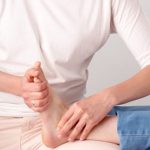
The Bowen therapy is pleasant – therapists use light, cross-fiber maneuvers of muscle, tendon, or ligament with no forceful manipulation. A treatment will typically last between 30 minutes and one hour.
Developed in Australia by Tom Bowen during the 1950s, this therapy has no cracking, stretching, or hard manipulation involved. Practitioners make tiny, rolling motions over muscle, tendon, and fascia, usually stopping between movements to allow the body to react. The aim? To reboot the nervous system and restore the body to its natural balance.
For tourists and vagabonds, though, it can be a game-saver. Whether trekking through Patagonia or hunched over a laptop at a Lisbon café, Bowen therapy is a silent reboot switch.
When Jet Lag Meets Emotional Overload
It’s simple enough to assume that therapy for travel stress needs to be about fixing the body—hurts, strains, the occasional twisted ankle on an cobblestone street. But traveling doesn’t just test your body; it frequently stirs the emotional brew as well.
Perhaps you’ve arrived in your ultimate destination, but you’re mysteriously tense. Or you’ve been gone from home for months and feel inexplicably homesick, overwhelmed, or downright drained. The magic of Bowenwork is that it affects your emotional landscape as readily as your physical one.
Since the therapy accesses the autonomic nervous system—the system that deals with rest, digestion, and recovery—most people feel emotionally lighter after a session. Some even call it a strange, wondrous sort of internal reboot. It’s like your nervous system is finally able to breathe again after weeks (or months) of “go, go, go.”
Why Bowen Therapy Deserves a Place in Travel Itineraries
Imagine this: You have just returned from a two-week motorbike journey through the winding roads of Vietnam. Instead of being an adventurous free spirit, you’re stiff-legged as a jammed door hinge, your hips complain, and your back pains. You cringe at the idea of spending another night on a filthy hostel bunk bed.
Imagine coming upon a small wellness studio providing this treatment in Hoi An. You go in, doubtful but interested, and an hour later, you exit, lighter. Not only physically—but mentally. That’s the sort of travel experience that lingers.
The reason that Bowenwork is such a travel-friendly choice isn’t even necessarily because it’s so effective. It’s because it doesn’t necessitate fancy equipment, oils, or even lots of space. Sessions are usually less than an hour long, and most individuals can sense results after one or two visits. It’s also beautifully non-invasive—perfect for those who aren’t interested in more forceful bodywork.
Some Backpackers Whisper About Bowenwork
There’s a sort of clandestine feel to how people discuss Bowtech in tourist communities. It doesn’t shout loudly, and it sure as heck doesn’t sell itself like the hot-stone massages or trendy foot detoxes. Rather, it quietly gains converts.
One tourist in Bali may say to another, “You have to try this Bowen thing—my neck hasn’t moved this easily in weeks.” A New Zealand van-lifer may avow that it cured them after several months of motoring in unnatural positions. The word gets around not in flashy marketing, but through appreciative murmurs and “you have to feel it to believe it” head shakes.
Bowen therapy involves a sequence of light, cross-fiber movements of varying pressure at specific sites on the body using thumbs and fingers in a specific manner.
The experience is intensely personal. While one individual may be wiping away tears of emotional release, another may emerge from the session feeling physically rejuvenated. Bowen therapy works by finding you where you are—body, mind, and spirit—and gently nudging you in the direction of equilibrium.
Not Just for the Yoga-Retreat Crowd
To appreciate Bowenwork, you don’t have to be hammock-journaling or sipping kombucha in Ubud. It’s also for the regular traveler who takes sleeper buses, forages for street food, or chases sunsets. Digital nomads who spend their days hunched over laptops in tiny Airbnbs or hostel lounges would particularly benefit from it.
You may frequently resume your day immediately after the therapy because it doesn’t involve unpleasant manipulations or protracted recuperation times; you could be visiting temples or checking off UNESCO sites. It inserts itself into your schedule as easily as an afternoon siesta or an impromptu swim.
Bowtech Feels Like Coming Back Home
Travel alters you—it pushes your boundaries of comfort, reframes your sense of self, and often finds you in a haze of movement. But occasionally, what you most desire isn’t another exciting detour. It’s a return to center.
Bowen therapy doesn’t merely provide relief. It provides a sense of returning home. A stop in the middle of incessant motion. And perhaps that is the most significant thing a tourist can bring with them on their trip—not so much beautiful pictures or mementos, but the sense of returning home.
Try Bowen therapy whether you’re hiking the Himalayas, working as a freelancer in a seaside hut in the Philippines, or simply recovering from a long-haul journey that left your back aching for relief. You might be more than relieved—you might be rebalanced, and maybe even a little enchanted along the way.